From Whelp to Wean: Little Adventurers
FROM WHELP TO WEAN
Marissa
1/11/20266 min read
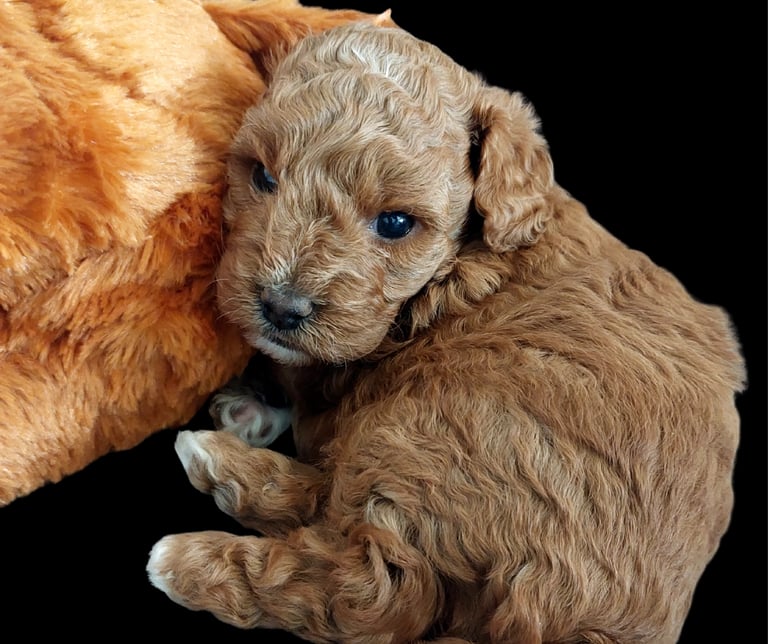
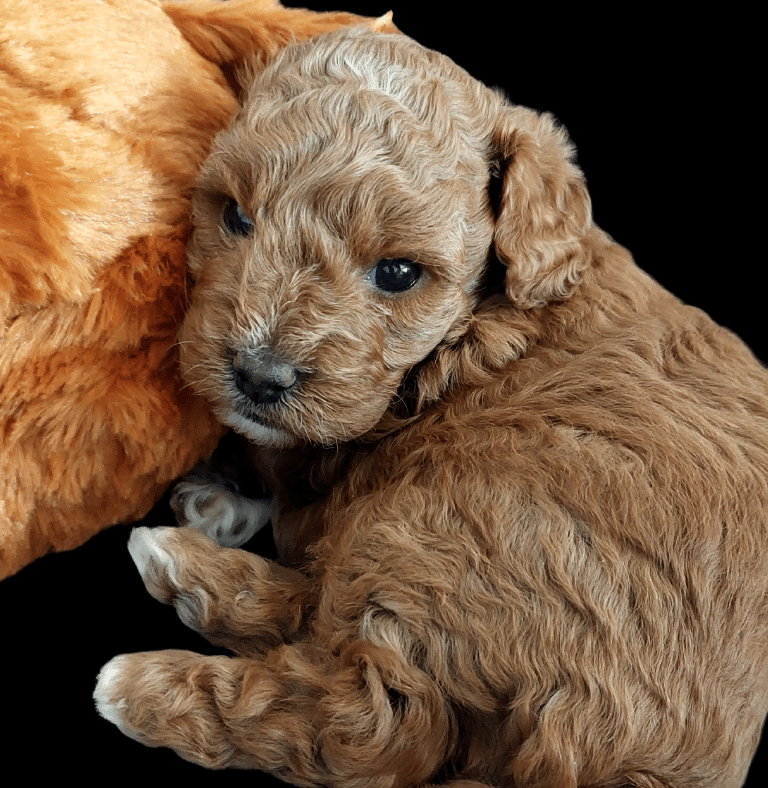
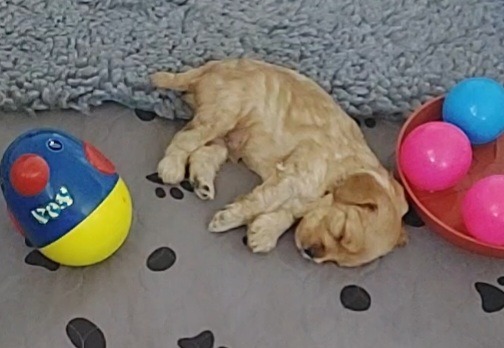
Days 22–28 bring another big leap forward — quite literally. The Toybox Trio are sturdier on their legs, more coordinated, and far more adventurous. With the Playpen extension now added, the whelping box has officially upgraded from “cosy nursery” to “mini adventure park.” Exploration, play, and social learning are now daily activities, and the pups are starting to look less like newborns and more like pint‑sized dogs with sharper expressions and purposeful little missions.
Week 4 is all about movement and curiosity. The puppies are navigating their playpen with growing confidence, testing out steps, and investigating new textures like seasoned explorers (with the occasional dramatic tumble, of course). Their personalities are beginning to sparkle, and their capacity for learning is expanding quickly. This is the perfect time to start laying down gentle routines — crate conditioning, name association, and even a bit of grooming practice. Think of it as puppy preschool: lots of play, plenty of naps, and just enough structure to set them up for success.
Milestone Moments
Mobility: Walking is less wobbly; pups can balance, turn, and even attempt short bursts of running.
Teeth: Milk teeth are erupting, making mouthing and chewing a favourite pastime.
Play: Social play is blossoming with pawing, mouthing, and clumsy wrestling.
Awareness: Puppies recognise each other, toys, and humans, responding with tail wiggles and vocalisations.
Elimination: The pups are starting to figure out that sleeping spots and toilet spots shouldn’t be the same thing. They toddle off with great determination toward the fake grass pee-pad. It’s a bit hit‑and‑miss right now but watching them try is both endearing and hilarious — the first wobbly steps toward instinctive cleanliness.
From Milk to Mush
With tiny teeth emerging and curiosity about food on the rise, the pups are nearly ready for their first taste of soft meals. A shallow water bowl has already captured their attention, prompting tentative laps — and plenty of splashing. In the coming days, I’ll introduce a gentle weaning mix alongside Poppet’s milk, giving them the chance to practise lapping and chewing. It’s gloriously messy, often hilarious, and marks an essential step toward independence at the food bowl.
Future Parents
By Week 4, the puppies are beginning to look and act like little dogs. They’re playful, curious, and starting to reveal their individual personalities. Families can expect pups at this stage to be more interactive, resilient, and ready for the next phase of socialisation.
To support you through this exciting journey, I am refining The Puppy Manual, which I’ll email once completed. This guide is designed to answer common questions, ease any concerns, and serve as a trusted reference throughout your puppy’s early weeks at home. My goal is to make sure you feel confident, informed, and supported, so that raising your puppy is as joyful and rewarding as it should be.
Socialisation & Bonding
Week 3 is when the puppies really start to practise being puppies. Their front and back legs are strengthening so they can fully support their bodies, which opens the door to proper exploration and play. Crawling becomes wobbling walking, and the litter shifts from a cosy cluster to a lively little social group.
Their ENS (Early Neurological Stimulation) and ESI (Early Scent Introduction) sessions are now complete, giving them a solid foundation of resilience and sensory awareness. With that base in place, the Toybox Trio are ready to move from the nursery into Playschool, where I begin my structured Puppy Curriculum. Playschool is gentle and progressive: new textures, soft challenges, and short, supervised social tasks that encourage curiosity, confidence, and healthy interaction.
Environment and enrichment are tailored to encourage safe exploration. This week I add the Playpen extension and introduce varied flooring — fleece, rubber mats, and faux grass — to build proprioception and paw awareness. Soft barriers and gentle lighting keep things interesting without overwhelming them. I rotate soft toys with different textures and quiet crinkles to teach cause and effect and keep novelty high.
Short solo moments (1–2 minutes) away from littermates begin now. Placing a pup in a cosy, enclosed space with a familiar scent cloth helps them experience gentle independence while still feeling secure. Most will vocalise briefly, then settle; these tiny separations lay the groundwork for crate training and emotional resilience.
Health & Care
Weekly weigh‑ins continue, and all three pups are showing strong, steady gains. I keep a close eye on teeth eruption, eye clarity, and overall body condition. This week brought their second worming dose (still met with little enthusiasm!) and another nail trim to protect Poppet during nursing and to support proper paw placement as the pups grow more mobile.
Poppet herself is spending more time outside the box now, giving the puppies space to self‑regulate and interact more freely. Her nutrition and rest remain just as important as theirs, and short daily walks are helping her regain fitness and balance her role as mum with her own wellbeing.
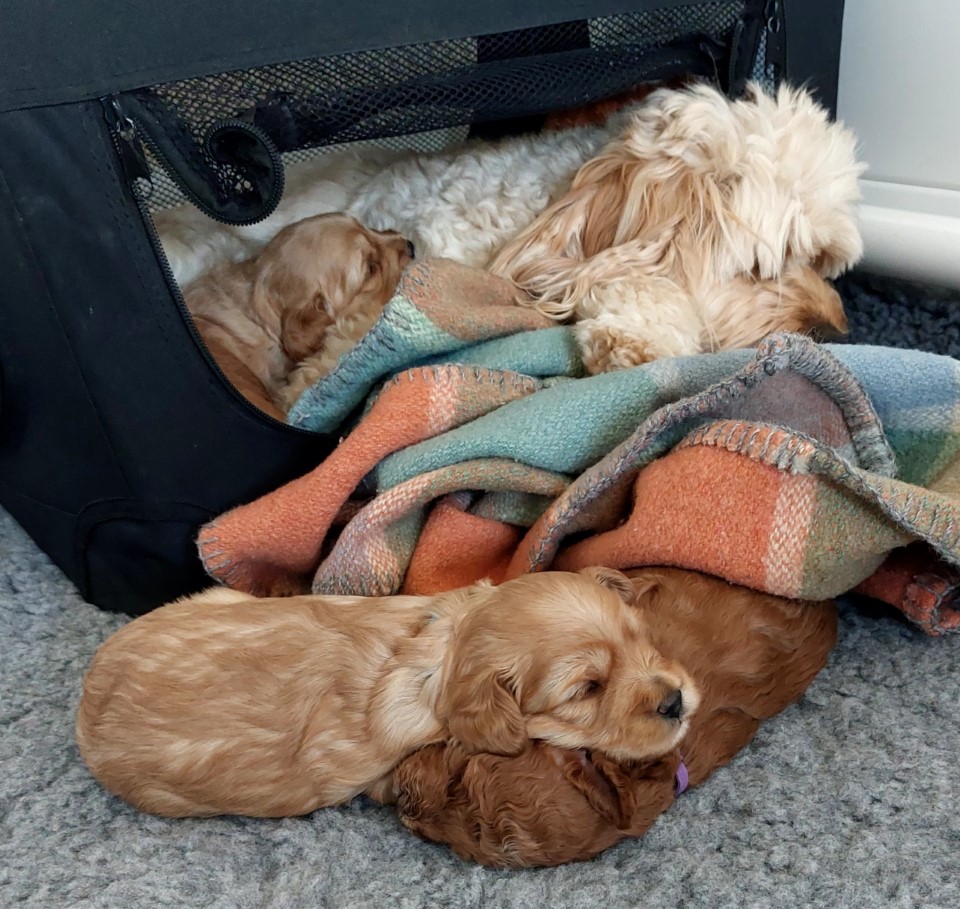
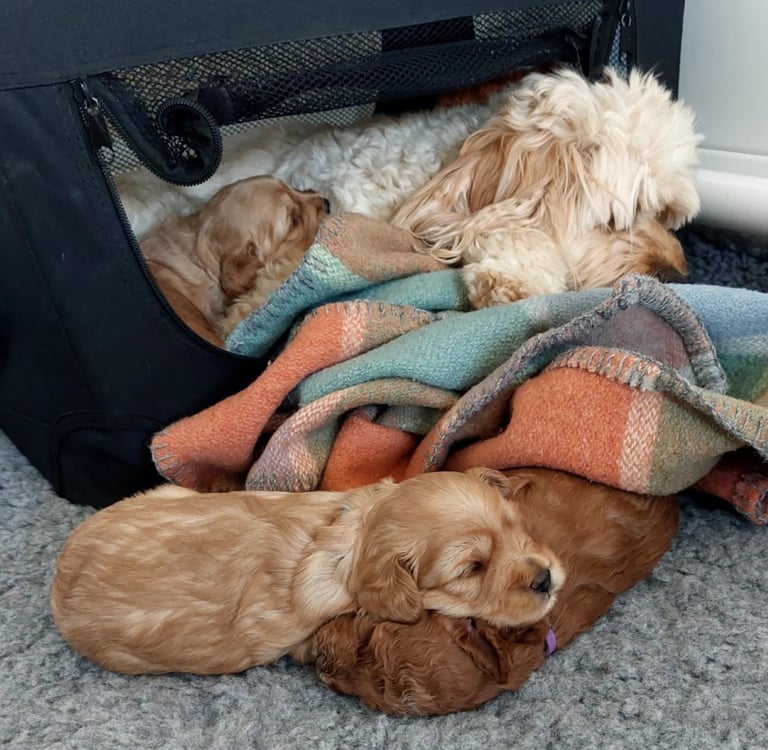
Week 4 is about movement, confidence, and early independence. Puppies begin crate conditioning, name recognition, and sensory exploration. Structured play, calm routines, and gentle handling help shape emotionally resilient companions ready for the next stage of learning.
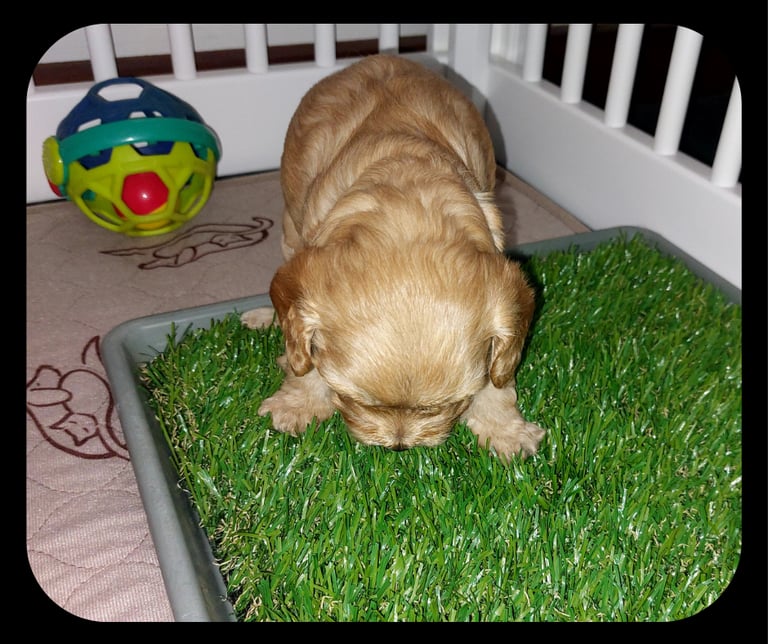
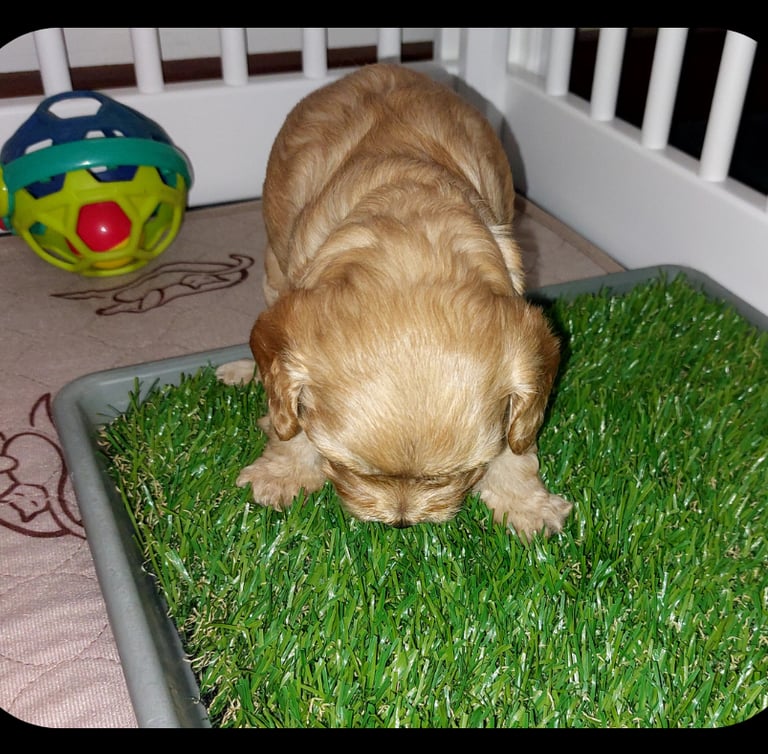
Puppy Playschool
With ENS and ESI complete, the Toybox Trio have officially graduated into Playschool and my structured Puppy Curriculum. This week is all about expanding their world in safe, bite‑sized ways. Puppies are introduced to new textures — rubber mats, faux grass, fleece — alongside gentle sound desensitisation from radios, household noises, and nature tracks. Soft toys with varied textures keep play fresh, while short solo moments away from littermates help build confidence and emotional resilience.
Play is now in full swing. Mouthing, pawing, and toy interaction are teaching bite inhibition and social boundaries. I watch closely to see who initiates play, who follows, and who prefers to observe — all valuable clues to emerging temperament. Handling exercises expand this week too, with gentle touches to ears, paws, belly, and collar area, conditioning pups to human contact in a positive, reassuring way.
The nursery itself evolves into a structured play zone. I add soft barriers, tunnels, low steps, and wobble boards to build proprioception, balance, and problem‑solving skills. Textures are rotated daily — faux grass, rubber mats, crinkle fabric — to encourage sensory exploration and keep curiosity alive.
Solo play sessions (2–3 minutes) in a safe, enclosed space begin now, helping puppies practise emotional independence and prepare for future crate training. The environment remains calm and predictable, with soft lighting and gentle background sounds to keep stress low.
Crate conditioning This week marks the beginning of crate conditioning. The crate is placed inside the play area with its door open, inviting exploration rather than confinement. Inside, soft bedding, a familiar scent cloth, and a Snuggle Puppy create a cosy, welcoming space. Puppies wander in at their own pace, often drawn to the comfort of the Snuggle Puppy. Short, open‑door naps help them build positive associations with the crate, teaching that it’s a safe retreat. I also note which pups happily seek solitude and which prefer the company of their littermates — early clues to their emerging personalities.
Name association This week I begin gently weaving each puppy’s name into daily life. During play, feeding, and handling, I softly repeat their names, pairing the sound with eye contact and gentle praise. Over time, this builds recognition and lays the foundation for recall training. When I call out “Pup, Pup, Pup,” all three toddle over with wide‑eyed curiosity — a delightful first step toward understanding that their names mean connection and attention.
New toys and novelty items are added daily — rotated for texture, sound, and shape — along with gentle movement elements like rocking surfaces or uneven terrain.
Throughout, I continue temperament tracking, focusing on curiosity, independence, and emotional resilience. The nursery remains gently stimulating but never overwhelming. And of course, Poppet’s emotional tone still sets the stage — her calm presence and quiet breaks influence the pups’ confidence and behaviour more than anything else.
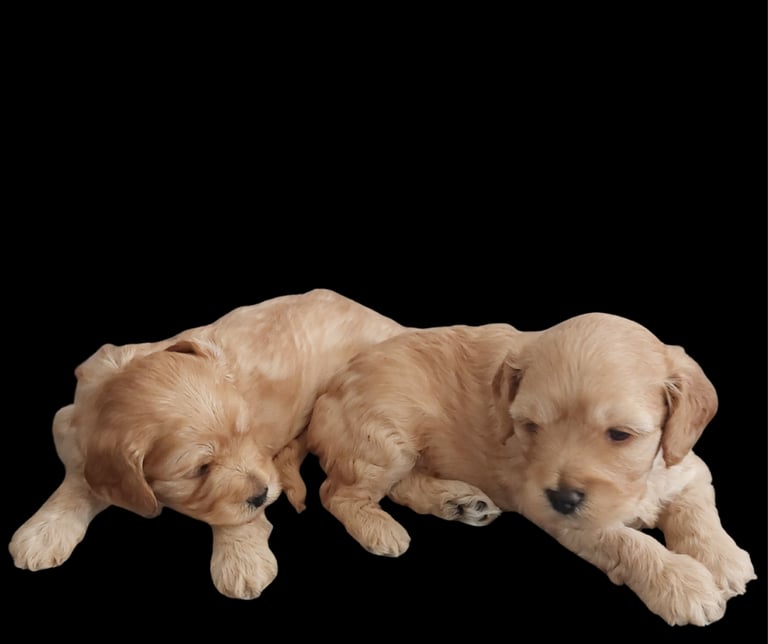
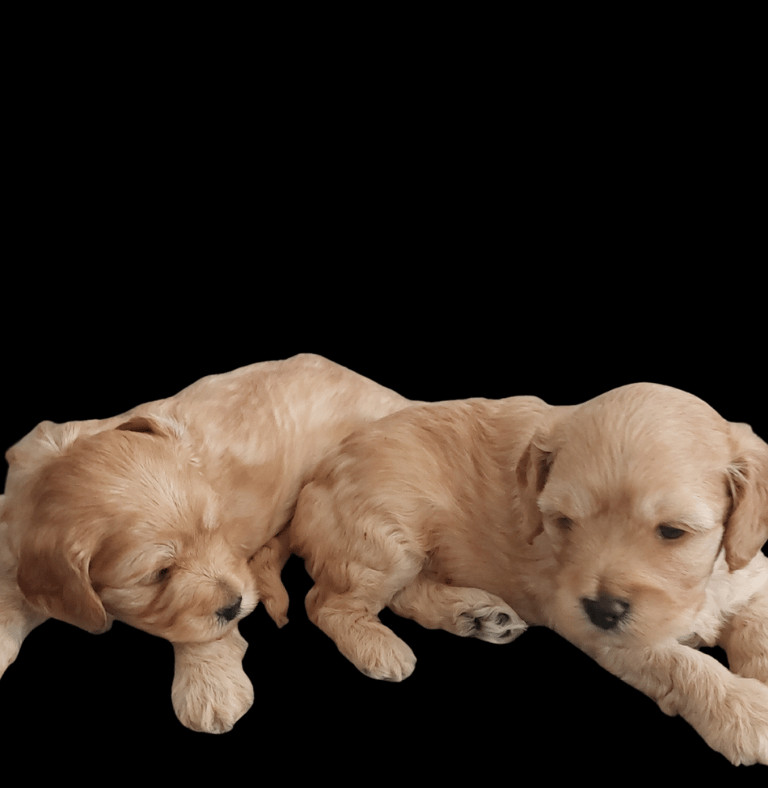
Alongside weight tracking, I observe coordination, stamina, and recovery after play. By Week 4, puppies should be able to walk steadily, navigate small obstacles, and enjoy short bursts of play without tiring too quickly. I begin noting:
Confidence in new environments — who charges ahead and who pauses to assess.
Recovery after novelty or mild stress — how quickly each pup settles after a surprise.
Preferences for textures, toys, or resting spots — early hints at comfort choices.
Crate comfort levels and voluntary entry — the beginnings of crate conditioning.
These observations are more than just notes; they help shape my understanding of each pup’s emerging temperament and guide the enrichment activities I introduce. They also provide valuable insights for matching puppies with their ideal future homes, ensuring each little adventurer grows into a well‑balanced companion.